Home | Book mark | Online Store | Email
Expand Menu (click)
Collapse Menu (click)
  • Services
    • Injection Molding
      • Thermoplastics
        Plastics which may be melted and formed several times are called thermoplastics. We use a variety of thermoplastics including polyethylene, ABS, PBT, nylon, teflon, acetal, polystyrene and others. Our press uses up to 12,000 psi of pressure to force plastic heated up to 700° F into molds to produce parts. Selection of the plastic is a basic part of design and should be done early on. Ask, we can help!

      • Elastomer
        Parts made of elastomers tend to be called rubber parts, though quite incorrectly. Flexible plastic parts may exhibit the stretch and bounce associated with rubber parts but may also be quite different from real rubber. We injection mold thermoplastic elastomers of several types, and can assist you from the design phase on to finished part.

      • Captive Molding
        Using a Morgan vertical press, we are able to place small parts such as metal fasterners into the mold before it closes. When plastic fills the mold it captures the inserted piece, and the two (or more) become one part. This may be used to produce plastic molded electrical connectors or encapsulate metal threads etc. into the finished product.

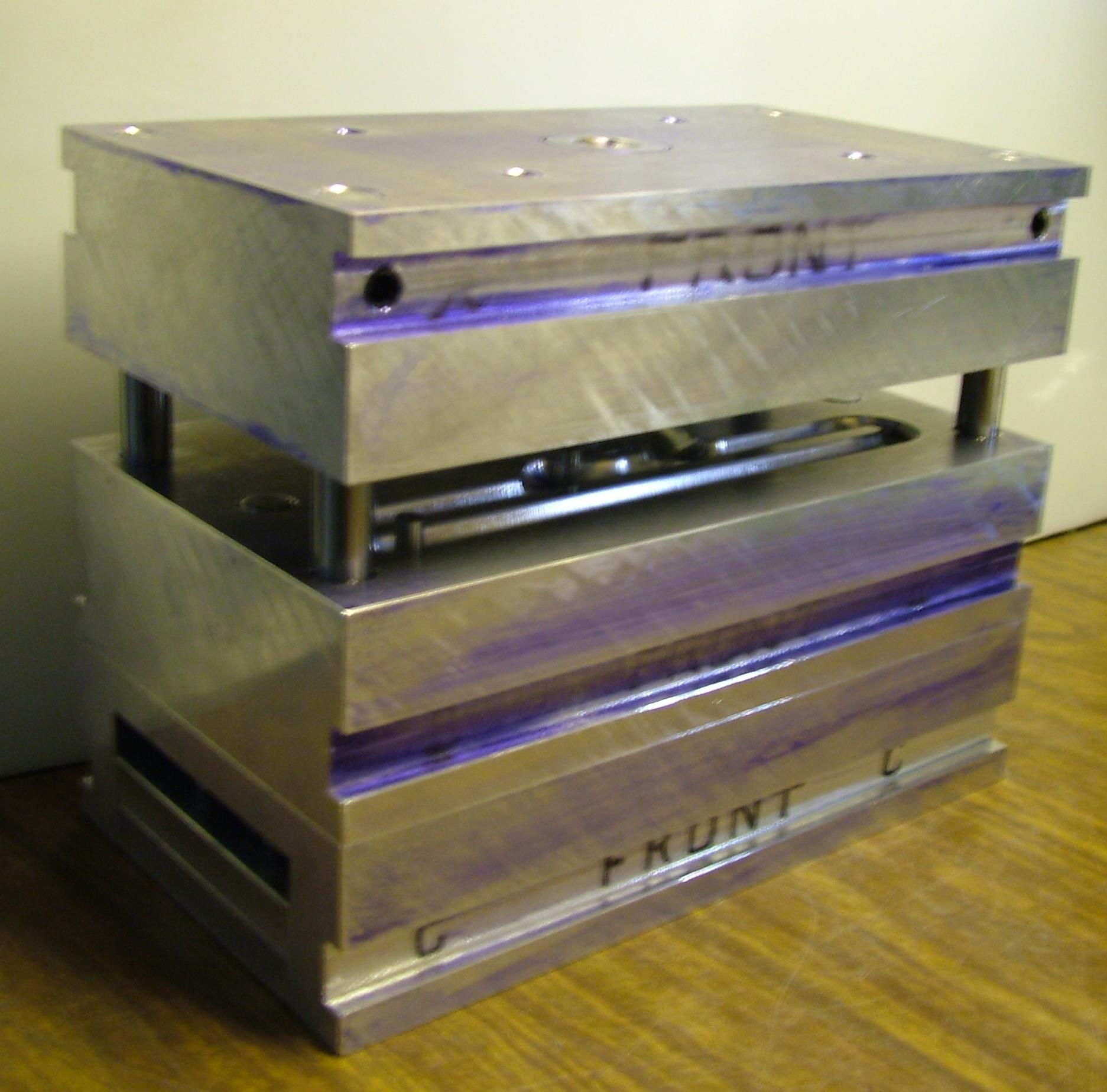
      8 cavity thermoplastics injection mold with automatic part ejection
    • Mold making
      • Aluminum Molds
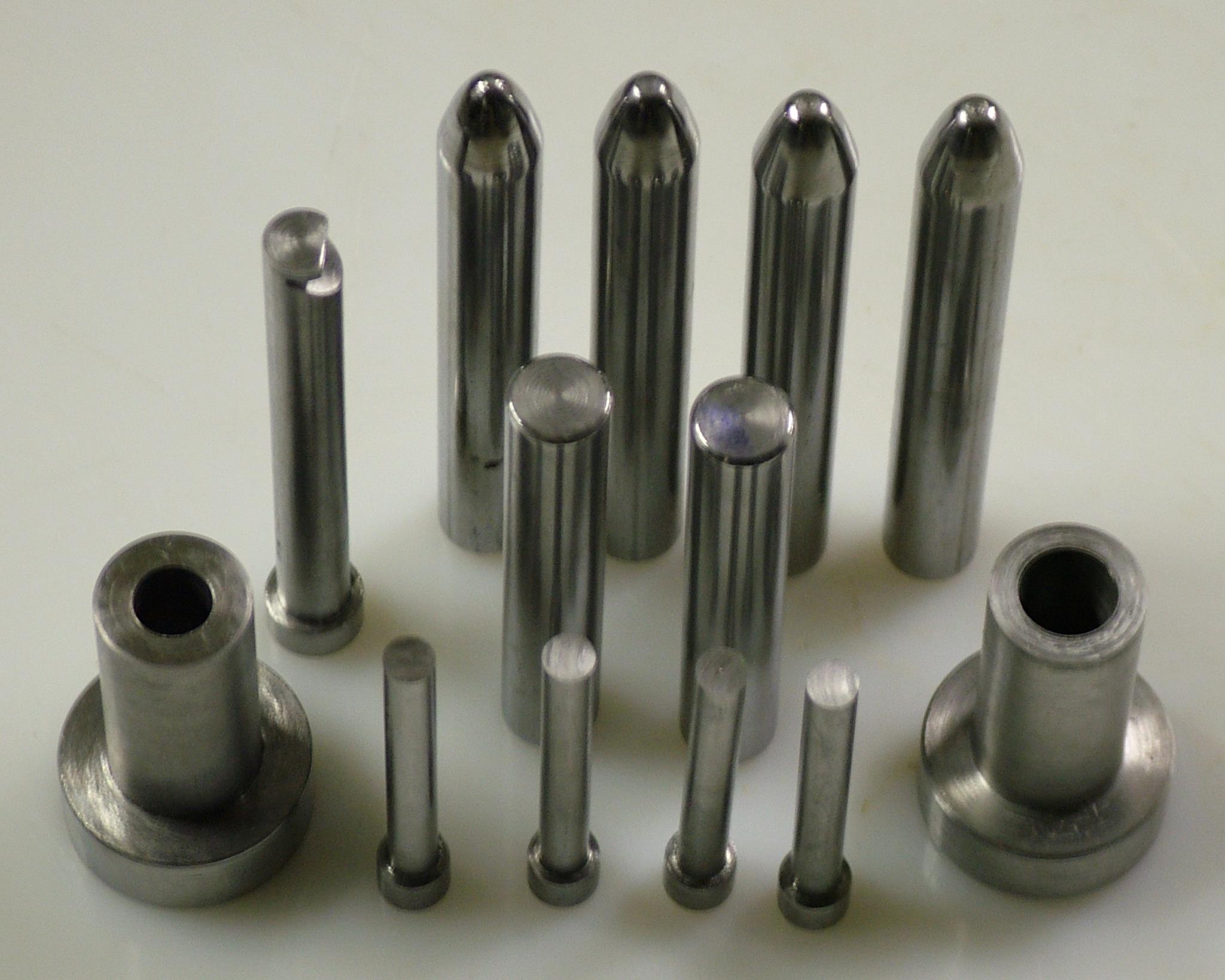
        Why use aluminum for mold making? It machines well, does not rust, stands up to the rigors of production runs, and perhaps best of all, aluminum conducts heat way better than steel (important in injection molding to cool the part quickly and uniformly.) Note that we use 7075 series aluminum like that which is used in the production of aircraft (and in fact we often purchase it directly from Boing.) Other parts which make up a mold may be made of brass of stainless steel such as guides and screws etc. The finished mold is an assembled mechanism consisting of many parts.

      • Insert molds
        Molds which form material around an inserted object are called insert molds, and we make them. A little fore thought is needed to allow for the insertion of a part into a mold to hold it steady while allowing the mold to still close and seal tightly. But another meaning exists for insert molding, and that refers to making a partial mold and inserting it into a larger mold base. We do this to decrease the wear of a mold, or for reasons of interchangability of inserted mold-parts. Aluminum still makes up the bulk of the mold with it's effecient heat exchange properties, while steel used in areas of wear (like the part itself or the mold's sprue) add to the usable lifetime of the mold. Using a system of interchangable mold inserts can save costs of producing a variety of parts by using just one mold.

      • Part Design
        The design of a part involves several things at once. The part must function, look nice, endure, ect. according to the end needs of the user, but must also be producable at a reasonable cost. Design for manufacturing is just as important as design for use is. We can save you a lot of headaches by being in on your design from the beginning, or outright doing it for you.

      • Automatic Molds
        Knowing the quantity of parts to be produced will be large, we design in features to automate the molding process. When only a sample is needed, the mold might be hand placed and pryed open via slots. But when a number of parts are to be made the mold must work with the molding machine to automatically open (perhaps in several directions via cam-slides etc.) and automatically eject the part from the mold cavity along with the sprue and runners. For larger quantities, a mold may make multiple parts each cycle, or may have several different part cavities to produce several different parts with each molding cylcle.

    • Machining
      • Turning, Indexing, Threading
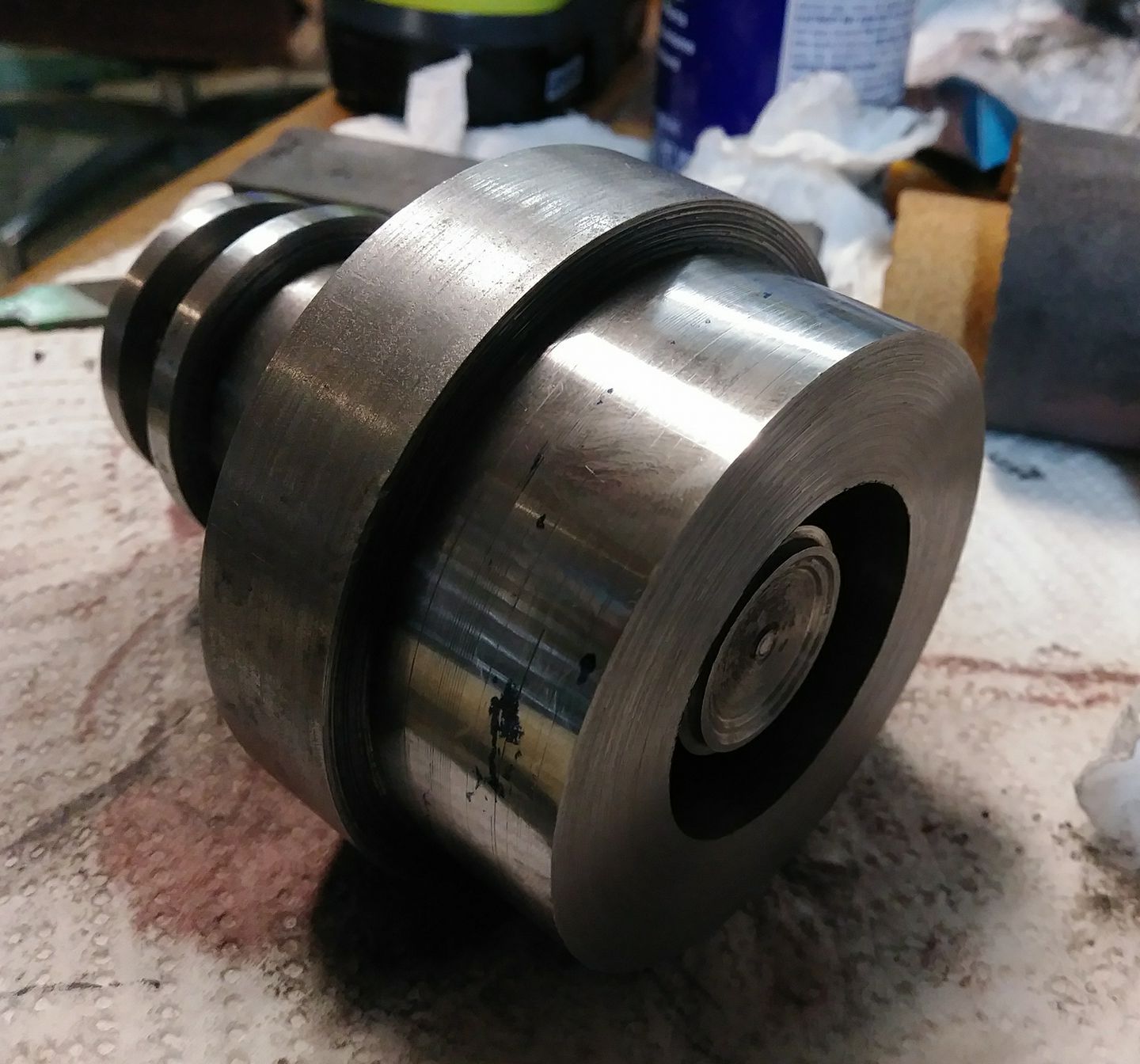
        Yes, we do our machining in house and are able to turn, index, thread etc. on our lathe. US or metric threads, inside or out, are cut into molds directly, and in the right size to produce a given part. As plastic shrinks when cooling, we produce special sizes of threads in the mold to compensate.

      • Milling
        We are capable of doing most common machining jobs if not too large. All of our molds are produced in-house starting out as billets of aluminum clamped to a Jet Vertical (Knee) Milling Machine. We face, slot, drill, ream, and thread our way to a completed mold base section, and mill the cavities and cores to complete what are some very complex machined parts. We are a great shop for doing one of a kind projects as that is how molds are treated.

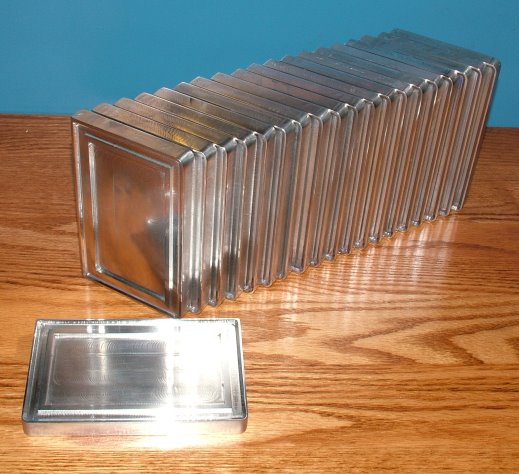
        Here is an example of a part we have been making in lots for a book binding company.
             
        The part we received made of wood and lineolium to be copied. Milling out the interior area of the part. Several parts in process.
             
        Milling a camfer or bevel around the part on the inside edge. Some Finished parts made out of aluminum. One of the books whose cover is molded by these parts.
      • Metals, Plastics, Ceramics, Woods
        Did you know that the exotic south american rosewood cocabolo machines like soft metal? A great many materials may be machined or turned including ceramics and woods. Drilling a hole in a plastic part after molding it may be cheaper than incorporating the feature in the mold for small quantities. We do the unusual jobs, with novel materials, call us and ask!

If you have a plastic or elastomeric (rubber-like) part which you would like to have prototyped, or produced in volume, contact us. We will be happy to review your needs.

We will hold your ideas in strictest confidence as we examine them. When you are ready, we will provide a quote for desired services, based upon your job.

Often, changes are made to the part design to improve its performance and to reduce the cost of tooling. If you are in the early stages of design, considerable savings may be made by determining these criteria before prototyping. For those who have not designed a plastic part before, becoming acquainted with plastics and moldmaking technology will be of a tremendous value to you as there are major differences in designing with various materials and manufacturing processes.

Begin now with a phone call to us and we will give you a short preliminary consultation at no cost. Afterwards you may wish to send drawings for a formal evaluation, or to put your parts into immediate production.

Frank Davies
fjdavies@yahoo.com

Delphi O.E.M. Co.
7602 A-1 Henderson Blvd.
Olympia, WA 98501

Telephone No.
(360) 352-0242

Resume


© 2000 F. Davies
Delphi O.E.M. Co.
All rights reserved